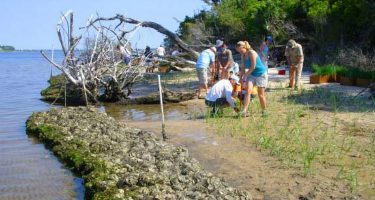
Living shorelines influenced by promotion of more natural processes.
https://livingshorelinesacademy.org/
A living shoreline is a protected, stabilized coastal edge made of natural materials such as plants, sand, or rock. Unlike a concrete seawall or other hard structure, which impedes the growth of plants and animals, living shorelines grow over time.
The text “Living Shorelines Influenced by promotion of more natural processes” suggests that the design and management of living shorelines are being guided by an emphasis on natural processes. Living shorelines refer to designed coastal areas that incorporate natural elements, such as plants and oyster reefs, to provide shoreline protection and habitat enhancement. By focusing on promoting natural processes, such as the way plants and ecosystems naturally function and interact with the shore, these living shorelines can better support the environment and provide sustainable coastal protection. This approach aims to create shoreline environments that not only protect against erosion and flooding but also support the health of the surrounding ecosystems more naturally and sustainably.
[lasso id=”2837″ link_id=”880″ ref=”amzn-living-shorelines-the-science-and-management-of-nature-based-coastal-protection-crc-marine-science”]
The salt marshes that fringe our coastal waters are some of the The salt marshes that fringe our coastal waters are most productive and valuable natural habitats in the world. And North Carolina’s got them — more than 3,000 square miles of them. They offer many benefits, including the following: Provide food and shelter for many creatures. Serve as critical nurseries for many creatures—filter pollutants from stormwater runoff, the most significant water quality pollutant in North Carolina.
Protect the land from wave energy, storm surges, and tides. Provide aesthetic value, enhanced views, a sense of place, and privacy.
However, these valuable habitats face many pressures from daily tides, waves, boat wakes, and sea level rise. The way natural marshes respond to these stressors is to migrate; the waterfront side erodes and the marsh builds up on the landward side.
People who build close to our marshes are also affected by erosion. However, instead of moving back, many respond by building wooden or concrete walls or placing piles of rock to protect their property. Locked in place in front of the wall or rocks, the marsh can’t retreat and will eventually disappear, taking its benefits with it. As many as 20 miles of the state’s estuarine shoreline are walled or rocked each year.
Living shorelines offer an effective, natural way to address estuarine shoreline erosion. sand baggy coir mat is a type of erosion CONTROL MAT MADE FROM COIR FIBERS (obtained from coconut husks) and designed to prevent soil erosion. It is typically used in areas where soil erosion is a concern, such as along riverbanks, slopes, or construction sites. The “sand baggy” aspect may refer to the inclusion of sandbags or the use of a particular installation method.
The use of sandbag coir mats is often associated with the concept of living shorelines , which are shoreline stabilization techniques that aim to mimic natural coastal processes while providing ecological benefits. Sandbag coir mats are used as part of living shoreline projects to help reduce erosion, stabilize shorelines, and create a habitat for marine life. These mats can be used in combination with other natural materials, such as plants, shellfish, and submerged aquatic vegetation, to create a more resilient and ecologically beneficial coastal environment. By using sandbag coir mats in living shorelines , coastal communities can work to combat erosion and enhance the overall health and resilience of their shorelines in a more environmentally friendly manner if you need more information about using sandbag coir mats in the context of living shorelines or related topics.
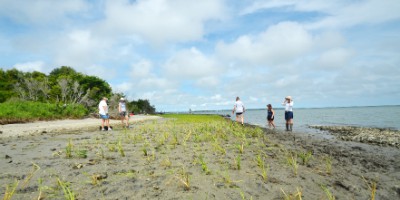
This living shoreline is helping to stabilize erosion on the southeast edge of Carrot Island near Beaufort.